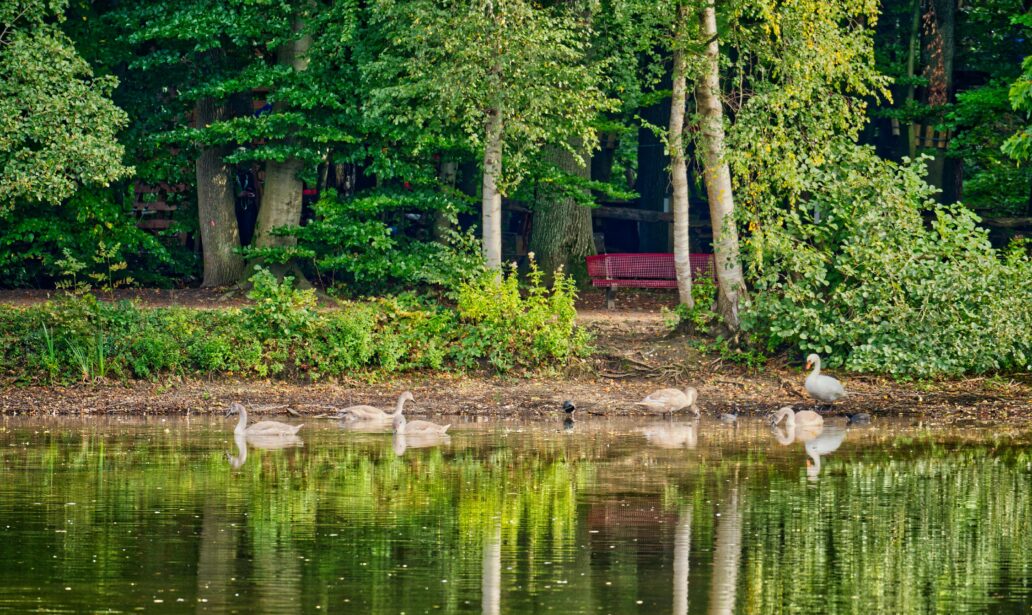
The concept of habitat might seem like something reserved for wildlife or plants, but it’s deeply intertwined with human life. Your surroundings—the places you live, work, and play—are part of your habitat. These environments provide essential resources for survival, shape your mental and physical well-being, and connect you to the natural world. Let’s explore why habitats are crucial for humans and how they impact our lives.
What Is a Habitat?
A habitat is more than just a physical location; it is an ecosystem that supports life. For humans, this includes urban centers, rural areas, forests, oceans, and everything in between. Habitats provide the essentials for survival: food, water, shelter, clean air, and space to thrive. They also offer opportunities for recreation, cultural practices, and economic activities.
For wildlife and plants, habitats are their lifelines—places where they evolve, adapt, and reproduce. Similarly, human habitats serve as the foundation for communities and civilizations. Whether a bustling city or a quiet countryside, your habitat influences your lifestyle and health.
How Habitats Support Human Survival
You might not think about it daily, but your habitat plays a vital role in keeping you alive and healthy. Here are some ways habitats directly benefit humans:
- Access to Resources: Habitats provide food through agriculture, water for drinking and sanitation, and raw materials for construction and energy production.
- Climate Regulation: Natural habitats like forests absorb carbon dioxide and regulate temperatures. Wetlands prevent flooding by absorbing excess water.
- Clean Air and Water: Forests filter pollutants from the air while wetlands purify water sources. These ecosystems ensure you have access to clean essentials.
- Biodiversity Benefits: Biodiversity within habitats supports pollination of crops, pest control, and nutrient cycling—all vital for food production.
Without functioning habitats, these life-sustaining systems would collapse. For example, deforestation can lead to soil erosion and loss of agricultural productivity.
Mental and Physical Well-being
Your habitat doesn’t just keep you alive—it also shapes how you feel. Spending time in natural environments has been proven to reduce stress levels, improve mood, and enhance overall mental health. Here’s how habitats contribute to your well-being:
- Stress Reduction: Studies show that exposure to nature lowers cortisol levels (the stress hormone) and improves mental clarity.
- Physical Health: Clean air reduces respiratory issues while access to outdoor spaces encourages physical activity.
- Improved Focus: Nature can boost concentration levels in children and adults alike. This is especially beneficial for those with ADHD.
- Connection to Nature: Experiencing wildlife or natural landscapes fosters a sense of belonging and inspires environmental stewardship.
Even urban habitats with parks or green spaces can provide these benefits. The simple act of walking through a park or hearing birds chirp can positively impact your day.
Economic Importance of Habitats
Healthy habitats are good for the economy too! They support industries like agriculture, tourism, fishing, and forestry. Here’s how:
- Agriculture: Fertile soil from healthy ecosystems ensures high crop yields.
- Tourism: Natural attractions like beaches or forests draw millions of visitors annually.
- Fisheries: Oceans provide seafood while coral reefs act as breeding grounds for fish species.
- Forestry: Forests offer timber while maintaining ecological balance.
When habitats are destroyed or degraded, these industries suffer significant losses. For instance, overfishing due to habitat destruction can lead to food shortages.
Threats to Habitats
Unfortunately, human activities often harm habitats instead of protecting them. Urbanization, deforestation, pollution, and climate change have led to widespread habitat loss globally. This has serious consequences:
- Loss of Biodiversity: Destroying habitats reduces the variety of plants and animals that support ecosystems.
- Climate Change Effects: Cutting down forests releases carbon dioxide into the atmosphere.
- Water Scarcity: Polluted wetlands can no longer purify water effectively.
- Economic Costs: Damaged ecosystems lead to reduced agricultural yields and loss of tourism revenue.
Habitat fragmentation—breaking large ecosystems into smaller pieces—makes these problems worse by isolating species from their natural environments.
Why Protecting Habitats Is Essential
Protecting habitats isn’t just about saving wildlife—it’s about securing your future too! Healthy ecosystems ensure continued access to resources like food and water while mitigating climate change effects. Here’s why conservation matters:
- Sustainability: Restoring degraded habitats ensures future generations can enjoy their benefits.
- Resilience: Diverse ecosystems are better equipped to handle natural disasters like floods or droughts.
- Health Benefits: Cleaner air and water improve public health outcomes.
- Economic Stability: Conservation supports industries reliant on natural resources.
Simple actions like planting trees or supporting conservation initiatives can make a big difference.
How You Can Help Protect Habitats
You don’t need to be an environmental scientist to contribute! Small changes in your daily life can help protect habitats:
- Reduce waste by recycling materials like paper or plastic.
- Support local conservation efforts through donations or volunteering.
- Choose sustainable products that minimize environmental impact.
- Advocate for policies that protect natural areas from development.
Even creating a wildlife-friendly backyard with native plants can restore fragmented habitats!
Your Habitat Matters
Your habitat is more than just the place you live—it’s a system that sustains life in countless ways. From providing essential resources to improving mental health and supporting economic activities, healthy habitats are indispensable to human survival.
By understanding their importance and taking steps to protect them, you’re not just preserving nature—you’re ensuring a better future for yourself and generations to come. So next time you step outside into your surroundings—whether it’s a forest trail or an urban park—take a moment to appreciate the incredible role your habitat plays in your life!