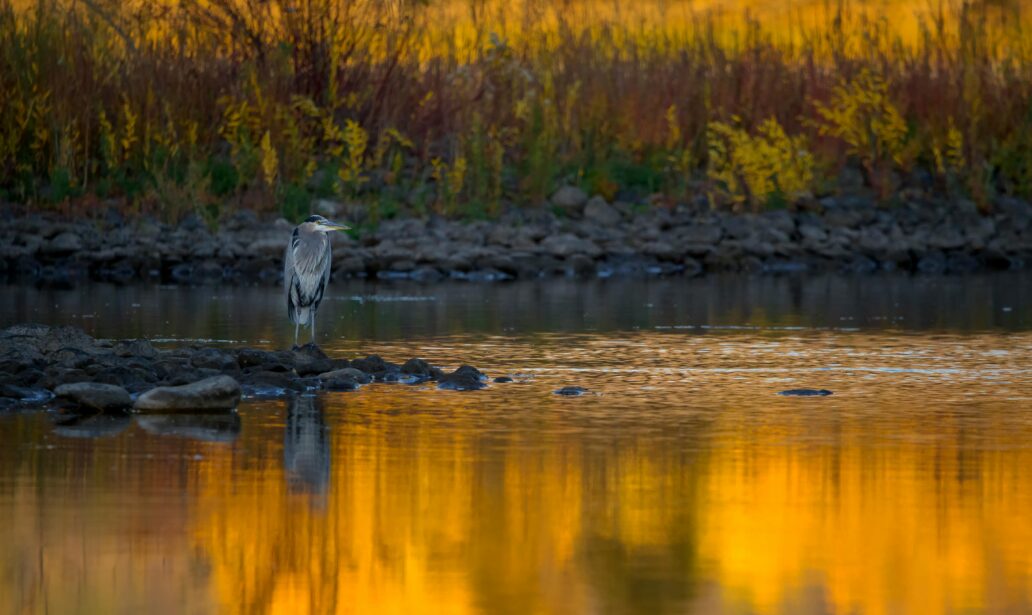
Wetlands are some of the most fascinating and important ecosystems on our planet, yet they often go unnoticed or misunderstood. If you’ve ever wondered why wetlands matter, you’re in the right place. Let’s dive into the top five benefits of wetlands and discover why you should care about these natural wonders.
Wetlands Improve Water Quality
You might not realize it, but wetlands are like nature’s water filters. When rainwater runs off roads, fields, and cities, it often carries pollutants-think fertilizers, pesticides, and even sewage. Wetlands step in as a natural cleaning crew, intercepting this runoff before it reaches rivers, lakes, or oceans. The roots of wetland plants and the microorganisms in the soil absorb and break down harmful substances, removing excess nutrients and pollutants from the water.
This natural filtration process means that the water leaving a wetland is much cleaner and safer for drinking, swimming, and supporting wildlife. In fact, wetlands can be so effective at water purification that they’re sometimes considered a cost-effective alternative to expensive water treatment plants. So, every time you enjoy a glass of clean water or a dip in your favorite lake, you can thank wetlands for doing some of the heavy lifting behind the scenes.
Wetlands Reduce Flood Risks
If you’ve ever experienced or seen the aftermath of a flood, you know how devastating it can be. Wetlands are natural sponges, soaking up excess rainwater and slowly releasing it over time. This ability to store and gradually release water helps reduce the severity and frequency of floods, protecting homes, farms, and entire communities.
During heavy rains or storms, wetlands can absorb large volumes of water, preventing it from rushing downstream all at once. This not only reduces flood damage but also helps maintain more stable water levels in rivers and lakes, especially during dry periods. In urban areas, wetlands play a crucial role in managing stormwater, making cities more resilient to extreme weather events.
Wetlands Provide Habitat for Wildlife
Wetlands are bustling with life. They are home to an incredible diversity of plants and animals, many of which can’t survive anywhere else. In fact, wetlands support about 40 percent of the world’s species, including countless fish, birds, amphibians, and insects.
If you enjoy birdwatching, fishing, or simply marveling at nature, wetlands are a paradise. Migratory birds rely on wetlands as stopover points during their long journeys, while fish use them as breeding and nursery grounds. Even mammals like beavers, otters, and moose depend on wetlands for food and shelter. By protecting wetlands, you help safeguard the habitats that countless creatures need to thrive.
Wetlands Help Combat Climate Change
Climate change is a big challenge, but wetlands are powerful allies in the fight. Wetlands, especially peatlands, are some of the world’s most effective carbon sinks. They absorb carbon dioxide from the atmosphere and lock it away in plant material and soil, preventing it from contributing to global warming.
Even though peatlands cover only about three percent of the Earth’s surface, they store twice as much carbon as all the world’s forests combined. When wetlands are drained or destroyed, this stored carbon is released back into the atmosphere, making climate change worse. By conserving and restoring wetlands, you help keep carbon safely stored and reduce greenhouse gas emissions.
Wetlands Support Local Economies and Livelihoods
Wetlands aren’t just good for nature-they’re good for people too. They provide resources and opportunities that support local economies, especially in rural and coastal areas. Wetlands are vital for agriculture, fisheries, and tourism, offering food, water, and jobs to millions of people worldwide.
Fisheries depend on healthy wetlands to sustain fish populations, while farmers benefit from the water and fertile soil that wetlands provide. Wetlands also attract tourists, birdwatchers, and outdoor enthusiasts, bringing in revenue and supporting local businesses. By using wetlands wisely and sustainably, communities can enjoy long-term prosperity while preserving these valuable ecosystems for future generations.
Why Should You Care About Wetlands?
Now that you know the top five benefits of wetlands, you might be wondering what you can do to help. The truth is, wetlands are disappearing at an alarming rate due to development, pollution, and climate change. Every year, vast areas of wetlands are drained or destroyed, putting their benefits-and our future-at risk4.
By supporting wetland conservation efforts, you help protect clean water, reduce flood risks, preserve wildlife, fight climate change, and sustain local economies. Whether you volunteer for a local wetland restoration project, support conservation organizations, or simply spread the word about the importance of wetlands, your actions make a difference.
Quick Recap of The 5 Benefits of Wetlands
Here’s a handy summary of why wetlands are so valuable:
- They clean and purify water, making it safer for people and wildlife.
- They reduce flooding by absorbing and slowly releasing excess water.
- They provide critical habitat for a huge variety of plants and animals.
- They help combat climate change by storing large amounts of carbon.
- They support local economies through agriculture, fisheries, and tourism.
How You Can Help
You don’t need to be a scientist or an environmentalist to make a difference for wetlands. Here are a few simple ways you can get involved:
- Learn more about local wetlands and visit them to appreciate their beauty and importance.
- Reduce your use of fertilizers and chemicals that can pollute wetlands.
- Support policies and organizations that protect and restore wetlands.
- Share what you’ve learned with friends, family, and your community.
Wetlands are nature’s unsung heroes, quietly working behind the scenes to keep our world healthy and vibrant. By understanding and valuing their benefits, you become part of the movement to protect these precious ecosystems for generations to come.
So next time you see a marsh, swamp, or bog, remember: you’re looking at one of the planet’s most valuable treasures-one that needs your care and respect