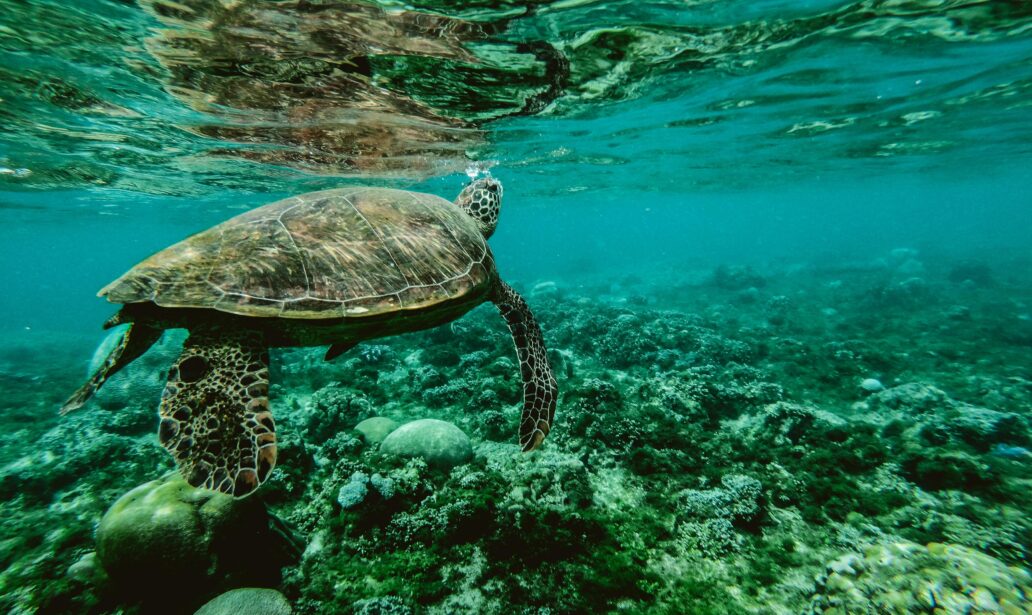
Wildlife is a fascinating and integral part of our planet, playing a crucial role in maintaining ecosystems. But have you ever wondered what wildlife truly needs to survive and thrive? While there are several factors that contribute to the survival of animals, one essential requirement stands out: habitat. A habitat provides everything an animal needs to live, including food, water, shelter, and space. Let’s dive deeper into these components to understand why they are so critical.
The Role of Habitat in Wildlife Survival
A habitat is more than just a home; it’s the foundation of life for all wildlife. It supplies the resources animals need to meet their basic survival requirements. Without a suitable habitat, no species can sustain itself. Here’s why:
1. Food
Every animal, from the tiniest insect to the largest predator, depends on food for energy and growth. Herbivores rely on plants, carnivores hunt other animals, and omnivores consume both plants and meat. A habitat must provide adequate food sources that match an animal’s diet. For example:
- Herbivores like deer need areas with abundant vegetation.
- Carnivores such as lions require prey-rich environments.
- Omnivores like bears thrive in diverse ecosystems with both plant and animal food sources.
2. Water
Water is vital for hydration, digestion, and regulating body temperature. It also plays a role in bathing and breeding for many species. Whether it’s a river, pond, or even dew on leaves, animals need consistent access to water within their habitat. Lack of water can lead to dehydration and death.
3. Shelter
Shelter offers protection from predators and harsh weather conditions. It’s where animals rest, breed, and raise their young. Different species require different types of shelter:
- Birds may nest in trees.
- Small mammals might burrow underground.
- Amphibians often seek refuge in moist environments like wetlands.
4. Space
Space is crucial for movement, hunting, mating, and reducing competition among individuals of the same species. Overcrowding can lead to stress-related illnesses and conflicts over resources.
5. Arrangement
The way these elements—food, water, shelter, and space—are arranged within a habitat matters greatly. If resources are too far apart or poorly distributed, animals may expend too much energy trying to meet their needs.
Why Habitat Is the Most Essential Requirement
While food, water, shelter, and space are all critical individually, they are interconnected through the concept of habitat. A habitat combines all these elements into one cohesive environment tailored to a species’ specific needs. Without a proper habitat:
- Animals cannot access food or water efficiently.
- They lack safe spaces for resting or reproduction.
- They may face increased competition or predation.
For instance:
- A forest provides herbivores with plants to eat, streams for drinking water, and dense foliage for protection.
- Wetlands offer amphibians both aquatic environments for breeding and land areas for feeding.
Habitat loss due to urban development or climate change poses one of the greatest threats to wildlife today. When habitats are destroyed or fragmented, animals struggle to survive because their basic needs are no longer met.
The Importance of Habitat Conservation
Now that we know how crucial habitats are for wildlife survival, it’s clear why conservation efforts focus so heavily on protecting them. Here’s how preserving habitats helps wildlife thrive:
- Maintaining Biodiversity
A healthy habitat supports a wide variety of species by providing diverse resources. This biodiversity strengthens ecosystems by ensuring that no single species dominates. - Promoting Connectivity
Wildlife populations need connectivity between habitats to migrate safely, find mates, and maintain genetic diversity. Corridors like rivers or protected greenways allow animals to move freely without facing barriers. - Adapting to Climate Change
As temperatures rise and weather patterns shift, many species must migrate to new areas with suitable conditions. Preserving large landscapes gives wildlife the flexibility to adapt. - Reducing Human-Wildlife Conflicts
When natural habitats are intact and well-managed, animals are less likely to encroach on human settlements in search of food or shelter.
How You Can Help Protect Wildlife Habitats
You don’t have to be a conservationist to make a difference! Here are some simple ways you can support wildlife in your area:
- Provide Resources in Your Backyard
Create a mini-habitat by planting native vegetation, setting up bird feeders or bat houses, and providing fresh water sources like birdbaths. - Avoid Pesticides
Chemicals can harm insects that serve as food for birds and other animals. - Support Conservation Organizations
Donate or volunteer with groups working to protect natural habitats. - Reduce Your Carbon Footprint
Climate change affects habitats worldwide. By using energy-efficient appliances and reducing waste, you contribute to global conservation efforts. - Advocate for Wildlife-Friendly Policies
Encourage local governments to prioritize green spaces and sustainable development practices.
The most essential requirement for all wildlife is habitat. It’s not just about having a place to live—it’s about having access to food, water, shelter, space, and proper arrangement within that environment. Protecting habitats ensures that wildlife can continue to thrive while maintaining the delicate balance of our ecosystems.
By understanding the importance of habitats and taking steps to conserve them, you play a vital role in safeguarding the future of wildlife on our planet!