Habitats are crucial for wildlife to thrive and flourish in our world. You might be wondering, what exactly makes a habitat healthy for wildlife? A healthy wildlife habitat provides the essentials for animals to live. These include food, water, shelter, and enough space for them to reproduce. When these elements come together, wildlife prospers and ecosystems stay balanced.
Key Characteristics of a Healthy Wildlife Habitat
A healthy wildlife habitat is more than just a place for animals to live. It’s a vibrant, thriving ecosystem with interconnected elements. The most important sign of a healthy ecosystem is biodiversity. This means a wide variety of species live there, from plants to animals. Even fungi and tiny microorganisms contribute to a balanced environment.
When you see many young and old trees of different species, that’s a great sign. You’ll also find shrubs, grasses, and flowers, creating diverse layers of vegetation. This plant life supports a wide range of birds, insects, and larger animals. You can think of it as a bustling city, but for wildlife.
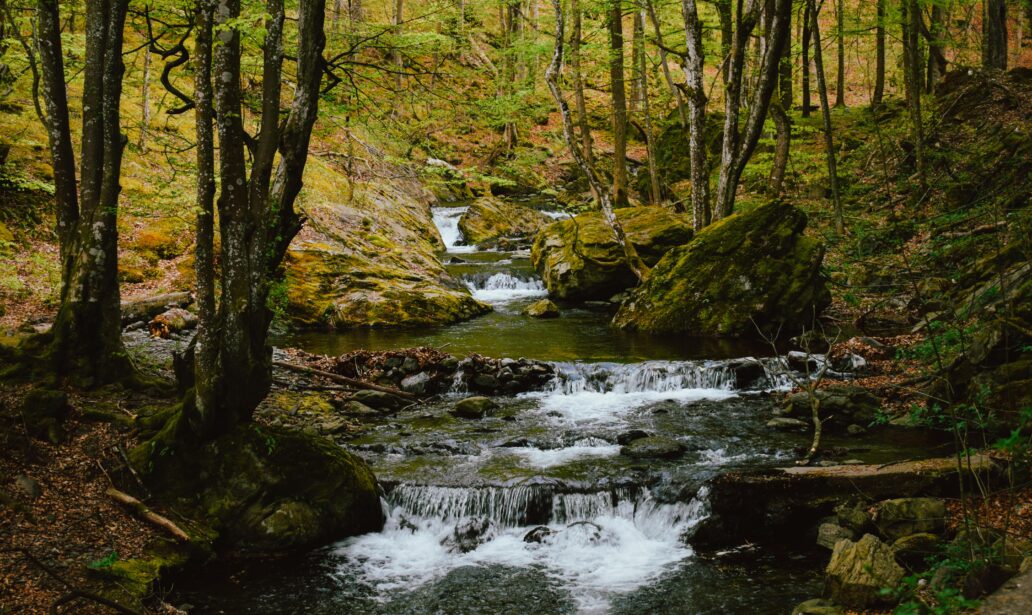
A healthy forest features old-growth areas with dense trees. These areas offer shade and protection for animals like fishers and martens. You might also find open, grassy meadows where grazers can eat and pollinators can find flowers. Fallen logs, rocks, and dead trees provide shelter for animals seeking burrows. You can also find areas with patchy tree cover, so sunlight reaches smaller plants. Ponds, creeks, and rivers support aquatic plants and animals like frogs and beavers. The green, moist areas around water sources are also critical habitats.
Why Habitat Conservation Matters
Conserving wildlife habitats is essential for several reasons. It helps maintain biodiversity, ensuring a variety of species can thrive. Habitat conservation promotes ecological balance, keeping ecosystems healthy and functional. Conserving habitats supports human well-being, as healthy ecosystems provide essential resources.
Conserving habitats involves protecting and maintaining natural ecosystems. The goal is to enhance biodiversity and prevent species loss. This can include protecting critical habitat areas and restoring damaged habitats. It is also important to manage land use to minimize negative impacts on wildlife.
Different habitats support diverse wildlife populations, including forests and grasslands. You also have to consider wetlands, deserts, and marine ecosystems. Each habitat plays a crucial role in maintaining biodiversity. These areas provide essential resources like food, water, shelter, and breeding grounds. Conserving these habitats benefits the species and the overall health of our planet.
Biodiversity is a vital element of habitat conservation. Protecting habitats helps maintain healthy ecosystems and ecological balance. High levels of biodiversity contribute to ecosystem resilience. This enables natural systems to recover from environmental pressures.
How You Can Help
You might be wondering how you can contribute to wildlife habitat conservation. One way is to support organizations working to protect natural areas. These groups often work to acquire and manage land for conservation1. You can also practice responsible land management on your property. This might include preserving native vegetation and minimizing pesticide use.
Another way to help is by creating habitat in your backyard. You can plant native trees, shrubs, and flowers. Providing a source of water, like a birdbath or small pond, can also attract wildlife. Avoid using chemicals that can harm wildlife, opting for natural gardening methods. You can also educate others about the importance of habitat conservation. Share your knowledge with friends, family, and your community.
By understanding the characteristics of healthy wildlife habitats, you can make informed decisions. You can then support conservation efforts. Whether it’s through simple actions in your backyard or advocating for broader conservation policies. Every effort counts in preserving these vital ecosystems for future generations.