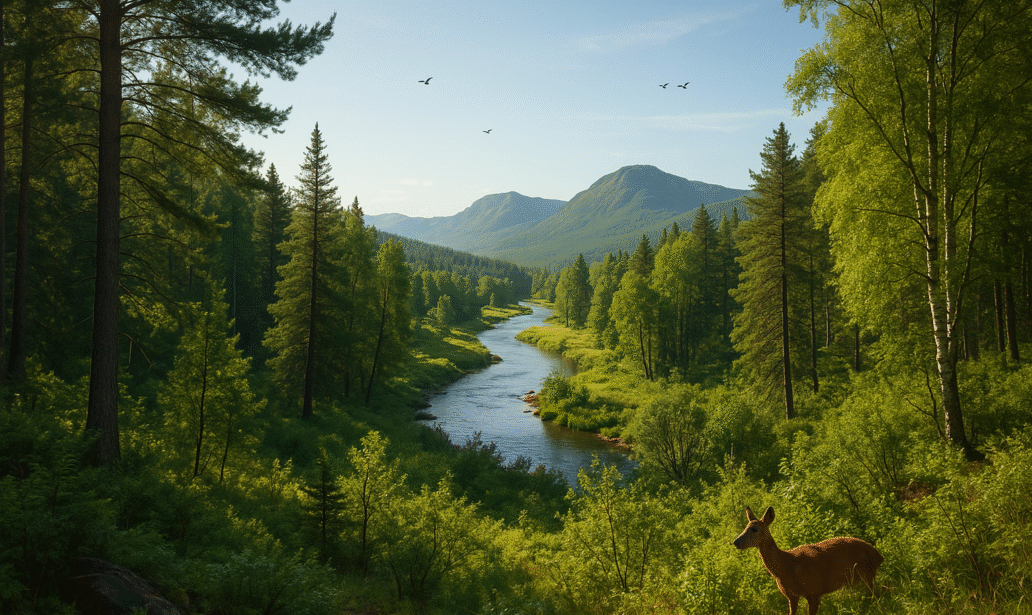
Imagine you’re a detective, but instead of solving crimes, you’re uncovering the secret hideouts of endangered species. That’s essentially what identifying critical habitat is all about! Whether you’re a conservationist, a land manager, or just curious, this guide will walk you through the process of spotting these vital ecosystems. Let’s dive in.
Step 1: Know What Qualifies as Critical Habitat
Critical habitats aren’t just random patches of land—they’re areas essential for a species’ survival or recovery. Think of them as lifelines for endangered plants, animals, or ecosystems. Here’s what to look for:
- Endangered species hotspots: Areas with Critically Endangered (CR) or Endangered (EN) species. If a single Critically Endangered tiger roams there, it counts!
- Unique ecosystems: Places like ancient forests, coral reefs, or wetlands that are rare or under threat.
- Migratory pit stops: Regions where birds, whales, or butterflies gather during migrations.
- Evolutionary wonders: Sites where species adapt in unusual ways, like cactus-filled deserts or high-altitude meadows.
Pro tip: Don’t forget legally protected areas (like national parks) or scientifically significant zones—they often qualify too.
Step 2: Gather the Right Data (Without Getting Lost in the Weeds)
You’ll need evidence to back up your findings. Start with:
- Species population data: Check if the area holds ≥1% of a species’ global population (a common trigger for critical habitat). For example, a wetland hosting 10% of the world’s flamingos would raise a red flag.
- Maps and satellite imagery: Look for undisturbed forests, coral reefs, or grasslands. Tools like GIS can highlight hotspots quickly.
- Local knowledge: Talk to Indigenous communities or scientists—they often know where rare species hide.
Watch out for “unoccupied” areas! Critical habitat can include places a species used to live or might need for future recovery.
Step 3: Use the “Critical Habitat Checklist”
Not sure if you’ve struck gold? Run through this quick checklist:
✅ Criterion 1: Does it host Critically Endangered or Endangered species?
✅ Criterion 2: Are there endemic species found nowhere else? (Think Madagascar’s lemurs!).
✅ Criterion 3: Is it a hub for migratory species, like a birder’s paradise?
✅ Criterion 4: Is the ecosystem itself at risk, like a disappearing mangrove forest?
✅ Criterion 5: Does it support unique evolutionary processes, like hybridization zones?
If you tick even one box, you’ve likely found critical habitat
Step 4: Navigate Legal and Scientific Guidelines
Rules vary by country, but many follow frameworks like the IFC’s Performance Standard 6 or the U.S. Endangered Species Act. Key tips:
- Consult experts: Biologists or ecologists can verify your findings.
- Review thresholds: For example, an area with ≥10% of a species’ global population is a Tier 1 critical habitat.
- Document everything: Photos, population counts, and habitat descriptions will strengthen your case.
Fun fact: In the U.S., designating critical habitat doesn’t automatically protect it—but it does require federal agencies to tread carefully.
Step 5: Avoid Common Pitfalls
Even seasoned pros make mistakes. Here’s how to stay on track:
- Don’t ignore “empty” areas: Unoccupied zones might be crucial for future reintroductions.
- Beware data gaps: If a species is understudied, assume its habitat is critical until proven otherwise.
- Balance human needs: Critical habitats often overlap with farms or cities—work with locals to find solutions.
Real-World Example: The Right Whale’s Ocean Refuge
Let’s put theory into practice. North Atlantic right whales (Critically Endangered) rely on specific feeding grounds off New England. Scientists identified these areas by tracking whale migrations, mapping plankton blooms, and confirming historical sightings. Despite being unoccupied year-round, these zones were designated critical habitat—a win for whale conservation!
Why This Matters to You
Identifying critical habitat isn’t just about saving species—it’s about safeguarding ecosystems that filter our water, store carbon, and inspire wonder. By following these steps, you’re not just spotting habitats; you’re protecting the planet’s natural safety nets.
So grab your binoculars, fire up your GPS, and start exploring. Who knows? You might just find the next undiscovered critical habitat hiding in your backyard! 🌿