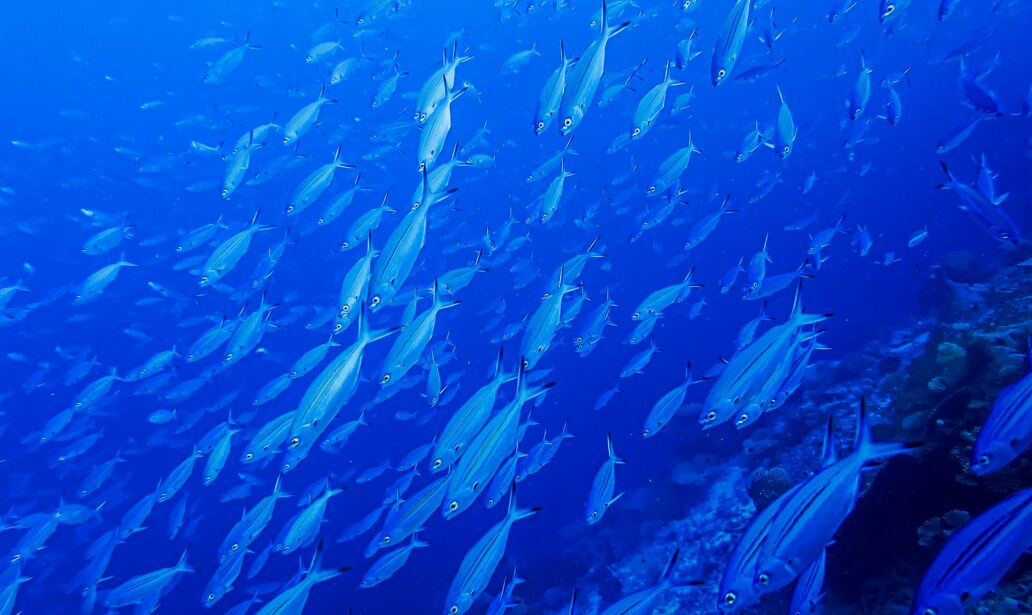
When you think about habitats, you might wonder what exactly they offer to the animals and plants living there. Let’s dive into the essential components that make a habitat a home for wildlife.
1. Food
Habitats provide food, which is crucial for survival. This includes plants, insects, seeds, and even other animals. You need a variety of food sources to support different species.
2. Water
Water is another vital component. Animals need it for drinking, bathing, and sometimes even living in it. Clean water is essential for their health.
3. Shelter (Cover)
Shelter protects animals from predators and harsh weather. It can be trees, rocks, or even underground burrows. This cover helps them feel safe and secure.
4. Space
Space is necessary for animals to move around, find mates, and raise their young. Different species require different amounts of space based on their needs.
5. Arrangement (or Air in Some Contexts)
The arrangement of these components is crucial. Alternatively, some sources mention air as a fifth component, which is also essential for breathing and overall health. Let’s explore these components in more detail.
Understanding Each Component
Food Sources
Food is the foundation of any habitat. It supports the entire food chain, from tiny insects to large predators. You can think of it like a big restaurant where every species has its favorite dish. For example, birds might enjoy seeds and fruits, while larger animals like deer might prefer grasses and leaves.
Water Availability
Water is life. Animals need it not just for drinking but also for bathing and sometimes even living in it, like fish. Clean water is crucial for their health, so habitats must provide reliable sources like rivers, lakes, or ponds.
Shelter and Cover
Shelter is like having a cozy home. It protects animals from predators and harsh weather conditions. This can be anything from dense forests to rocky caves. Animals feel safe and secure when they have a place to hide.
Space to Thrive
Space is essential for animals to move around, find mates, and raise their young. Different species need different amounts of space. For instance, birds might need just a tree branch, while elephants require vast areas to roam.
Arrangement or Air
The way these components are arranged is important. It ensures that animals can easily access what they need. Alternatively, air is also crucial as it’s necessary for breathing. A well-arranged habitat makes life easier for its inhabitants.
Creating a Habitat at Home
You can create a habitat in your backyard by following a few simple tips:
- Provide Food and Water: Plant native plants that offer nectar, fruits, and nuts. Ensure clean water sources are available.
- Offer Shelter: Leave some dead trees or logs to provide nesting sites.
- Create Space: Allow some areas to grow naturally without too much interference.
By doing this, you’re helping local wildlife thrive right in your own home.
Habitats are more than just places where animals live; they provide everything needed for survival. By understanding these essential components, you can appreciate the complexity and beauty of nature. Whether you’re exploring the wild or creating a habitat at home, remember that every small action can make a big difference for wildlife.