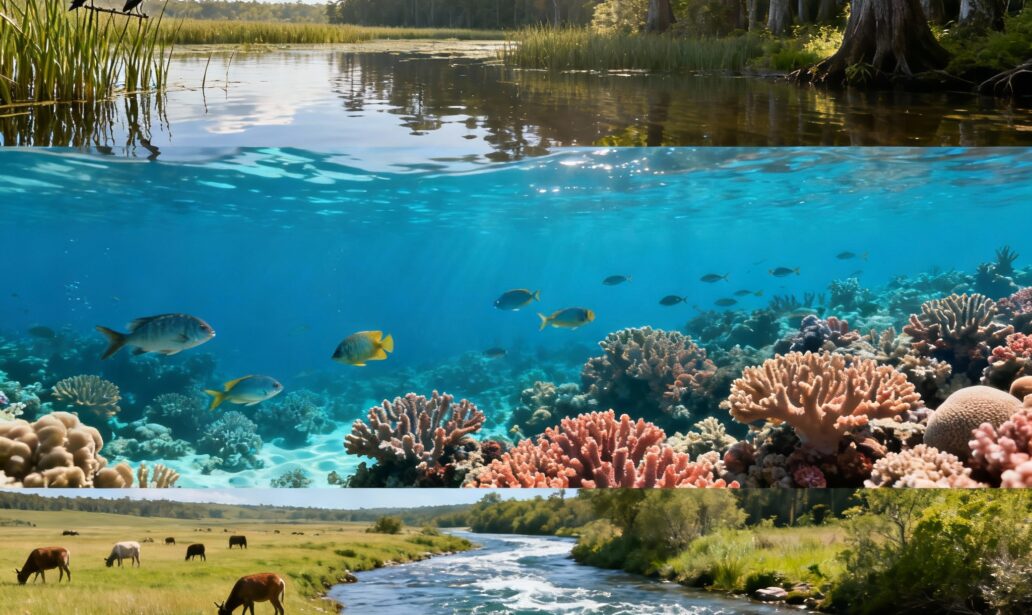
You might wonder which habitats are most in danger today. Knowing this helps you understand how your actions affect nature and what can be done to protect it. Habitats are places where plants and animals live and settle. When these places are disturbed or destroyed, the creatures there struggle to survive. Let’s explore the habitats that face the biggest risks and why that matters to you.
What Threatens Habitats?
Before diving into specific habitats, it’s important to grasp why habitats become endangered. Human activities like farming, building cities, and cutting down forests change the land. Pollution, climate change, and invasive species also affect natural homes. When habitats shrink or change too quickly, many species lose their shelter and food, which can lead to extinction. So, protecting habitats is really about keeping nature strong and balanced for the future.
Wetlands: The Disappearing Water Worlds
Wetlands are places where water covers the soil or is near the surface, like swamps, marshes, and bogs. You might not think of wetlands as rich places, but they are incredibly important. They clean water, control floods, and provide homes for thousands of creatures. Birds, fish, and amphibians rely on wetlands to live and breed.
Sadly, wetland areas are shrinking rapidly. You can blame draining for farming, filling land to build homes, and pollution from chemicals and trash. When wetlands disappear, the water becomes dirtier, flood risks rise, and many animals lose their homes. If you live near wetland areas, you can help by supporting local efforts to save these sites and reduce pollution.
Forests: Life’s Air Filters and Home Bases
Forests cover large parts of the planet and support more species than any other habitat. They provide food, shelter, and oxygen. You breathe easier because trees take in carbon dioxide and release oxygen. But forests are at risk due to logging, land clearing for farms, and fires that are more frequent with climate change.
Tropical rainforests, like the Amazon, are especially vulnerable. They hold incredible biodiversity but are cut down for farming, mining, and roads. Losing forests means losing animals, plants, and natural tools to fight climate change. You can make a difference by choosing products that don’t harm forests and supporting forest protection groups.
Coral Reefs: Underwater Cities Fading Fast
Coral reefs are underwater habitats made from tiny animals called corals. They build colorful, complex structures that shelter fish, sea turtles, and many other sea creatures. Reefs protect coastlines from storms and help local communities by supporting fishing and tourism.
Yet, coral reefs face serious risks. Rising ocean temperatures cause coral bleaching, where corals lose their color and die. Pollution and overfishing also harm reefs. If reefs vanish, many marine species don’t have homes, and coastal areas are less protected. You can help reefs by avoiding products that damage the ocean and supporting clean water efforts.
Grasslands: The Vanishing Ocean of Green
Grasslands are wide-open spaces covered mostly by grass, like prairies and savannas. Many large animals and birds call grasslands home. These areas store carbon and help clean the air too.
Unfortunately, grasslands are disappearing due to farming and urban growth. They are often turned into crop fields or cities. This loss means fewer habitats for animals and less natural carbon storage. You can help protect grasslands by supporting sustainable farming and policies that preserve open spaces.
Rivers and Lakes: The Freshwater Lifelines
Rivers and lakes provide fresh water, which you need every day. They are homes to fish, amphibians, and birds. Healthy rivers and lakes also support farming, drinking water, and recreation.
Pollution from chemicals, sewage, and trash harms freshwater habitats. Dams and water removal change natural flows, hurting plants and animals. Protecting these habitats means supporting clean water laws and reducing waste near water bodies. You can do your part by using fewer chemicals and keeping trash off the streets.
Why Protecting These Habitats Matters to You
When habitats are healthy, they help keep the air and water clean, control flooding, and support food sources. They also provide space for recreation and beauty that can improve your well-being. When habitats are at risk, both nature and people suffer.
You have a role in protecting habitats every day. Making choices about what you buy, how you use water, and how you support local nature can add up. Learning about these places helps you see the bigger picture of why wildlife and habitats need our help.
What You Can Do to Help
Want to make a difference? Start by spreading awareness about the habitats at risk. Support conservation groups and projects that protect wetlands, forests, reefs, grasslands, and freshwater habitats. When shopping, choose sustainable products that don’t harm nature.
Try to reduce waste, recycle, and volunteer for local cleanups. Planting native plants in your garden can help local wildlife too. Every small step counts toward saving these vital habitats.
In summary, habitats like wetlands, forests, coral reefs, grasslands, and freshwater areas are facing serious risks from human activity and climate change. Protecting them not only saves wildlife but also secures a healthy environment for you and future generations. Keep learning, stay aware, and take simple steps in your daily life to help protect the natural world we all depend on.