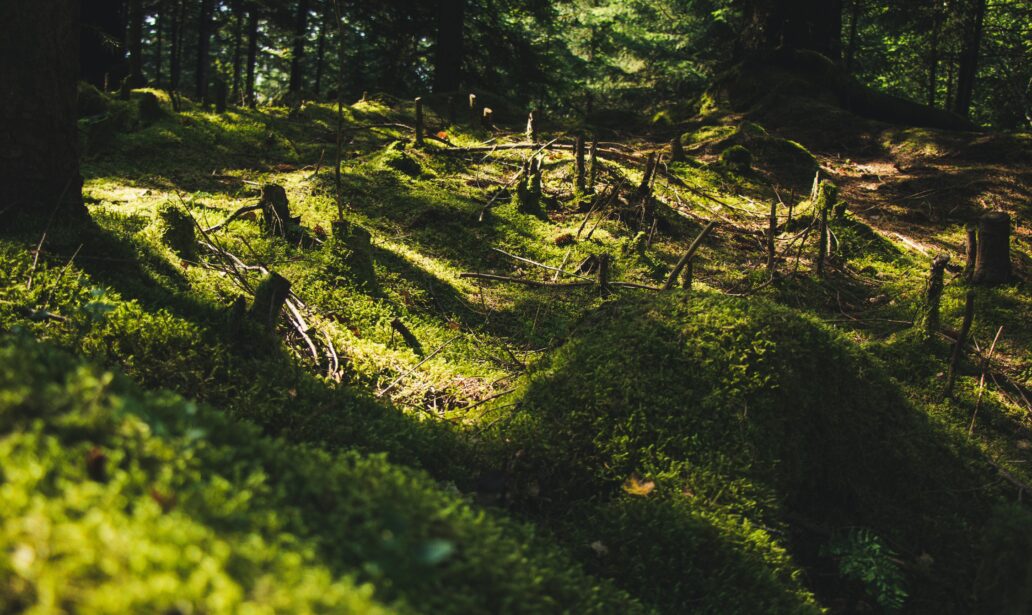
When you think about habitat loss, you might wonder how humans fit into the picture. The truth is, humans play a significant role in this issue. Let’s explore how our actions impact the environment and what we can do about it.
Understanding Habitat Loss
Habitat loss refers to the reduction in space where species can live and reproduce. This is often due to human activities like agriculture, urbanization, and deforestation. You might be surprised by how much of the Earth’s land has been altered by humans over the centuries.
How Humans Contribute to Habitat Loss
- Agriculture and Land Use: One of the biggest ways humans contribute to habitat loss is through agriculture. We clear forests and natural habitats to grow crops and raise livestock. This not only destroys homes for many species but also leads to soil erosion and water pollution.
- Urbanization and Infrastructure: As cities grow, natural habitats are replaced with buildings, roads, and other infrastructure. This urban sprawl can lead to habitat fragmentation, where remaining natural areas become isolated and less viable for wildlife.
- Deforestation: Forests are crucial for biodiversity, but they’re being cut down at an alarming rate. This is often for timber, fuel, or to make way for agricultural land. You can imagine how devastating this is for the countless species that call forests home.
- Resource Extraction: Mining and drilling for resources like oil and minerals also lead to habitat destruction. These activities can pollute water sources and disrupt ecosystems.
- Population Growth: As the human population grows, so does the demand for resources. This means more land is needed for housing, agriculture, and other human activities, leading to further habitat loss.
The Impact of Human Activities on Biodiversity
- Biodiversity Loss: Habitat loss is a major driver of biodiversity decline. It’s estimated that 85% of threatened species are affected by habitat loss. You might be wondering what this means for the future of our planet.
- Climate Change: Human activities like deforestation and pollution contribute to climate change, which further threatens ecosystems by altering species ranges and habitats.
- Human-Wildlife Conflict: As humans encroach on wildlife habitats, conflicts between humans and animals increase. This can lead to harm for both parties and further stress on ecosystems.
What You Can Do to Help
While the situation might seem dire, there are steps you can take to help reduce habitat loss:
- Support Sustainable Practices: Choose products that are sustainably sourced, like palm oil that doesn’t contribute to deforestation.
- Reduce Consumption: Lowering your consumption of resources can help reduce the demand for land and resources.
- Support Conservation Efforts: Encourage and support organizations working to protect natural habitats and wildlife.
- Educate Yourself and Others: Learning more about habitat loss and sharing this knowledge with others can inspire change.
Looking to the Future
As you consider the role humans play in habitat loss, remember that every small action counts. By understanding the impact of our actions and making conscious choices, we can work towards preserving the natural world for future generations.
Habitat loss is a complex issue, but by recognizing how our daily choices affect the environment, we can start making a difference. Whether it’s choosing sustainable products or supporting conservation efforts, you have the power to help protect critical habitats and the species that call them home. So, what will you do today to make a positive impact?