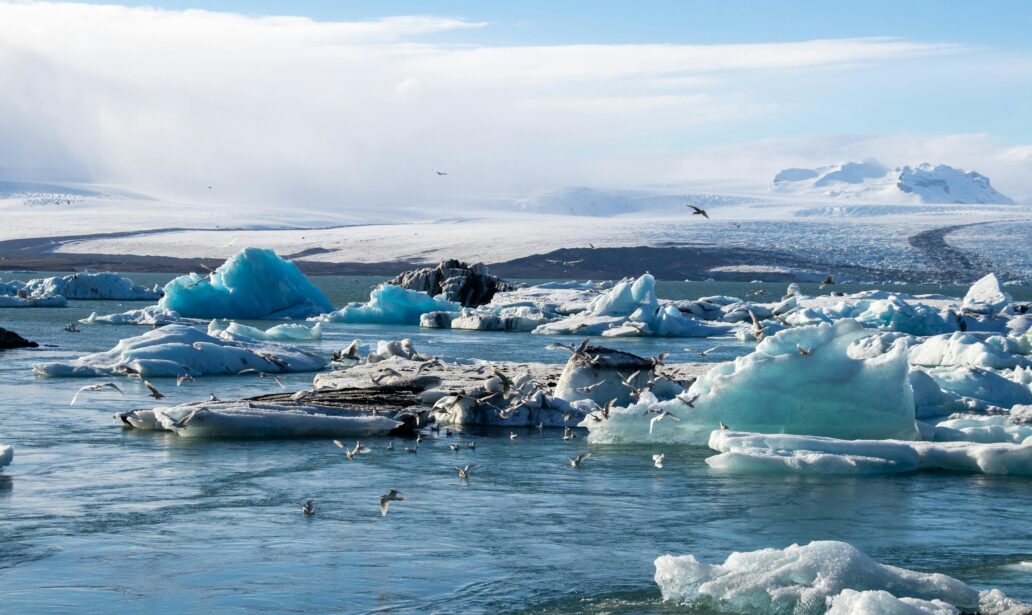
When you search for the “top 5 habitats,” you’re likely looking for the most diverse and vibrant ecosystems on Earth. These habitats are crucial for maintaining biodiversity and supporting a wide range of plant and animal species. Let’s explore the top 5 habitats that stand out for their incredible ecological richness.
1. Amazon Rainforest
The Amazon Rainforest is the largest tropical rainforest globally, covering over 5.5 million square kilometers across nine countries in South America. It’s home to about 10% of all known plant and animal species, including thousands of birds, mammals, and insects. You can find iconic species like the jaguar, sloth, and macaw here.
2. Coral Reefs
Coral reefs are among the most biodiverse marine ecosystems. The Coral Triangle in Indonesia is particularly notable, hosting over 3,000 species of fish and numerous types of coral. These reefs provide crucial habitats for marine life and protect coastlines from erosion.
3. Mangrove Forests
Mangrove forests are coastal ecosystems found in tropical and subtropical regions. They offer a unique habitat for species like the mangrove crab and the saltwater crocodile. Mangroves also protect shorelines from storms and support local fisheries.
4. Grasslands
Grasslands, such as the savannas of Africa and the prairies of North America, are vast open spaces with diverse wildlife. They are home to animals like lions, elephants, and bison. Grasslands also support a variety of plant life, including grasses and wildflowers.
5. Arctic Tundra
The Arctic Tundra is a cold, treeless region found in the Arctic Circle. It supports hardy species like reindeer, arctic foxes, and snowy owls. The tundra plays a crucial role in regulating Earth’s climate by storing carbon dioxide.
Why These Habitats Matter
These habitats are not just beautiful; they’re vital for our planet’s health. They provide oxygen, clean water, and food, and help regulate the climate. By understanding and protecting these ecosystems, you can contribute to preserving biodiversity and ensuring a healthier Earth for future generations.
Exploring Each Habitat in Depth
Amazon Rainforest: The Lungs of the Earth
The Amazon Rainforest is often called the “lungs of the Earth” because it produces a significant portion of the world’s oxygen. It spans across Brazil, Peru, Colombia, and other countries, hosting an incredible array of flora and fauna. The rainforest is crucial for absorbing carbon dioxide and maintaining global climate balance.
Coral Reefs: Underwater Cities
Coral reefs are vibrant underwater ecosystems that support an incredible variety of marine life. They are formed by coral polyps and provide shelter for thousands of species. Reefs also protect coastlines from wave damage and support local economies through tourism and fishing.
Mangrove Forests: Coastal Guardians
Mangrove forests are unique ecosystems that thrive in salty, coastal environments. They protect shorelines from erosion and storms, and serve as nurseries for many marine species. Mangroves also help filter pollutants from the water, improving water quality.
Grasslands: Open Spaces
Grasslands cover a significant portion of the Earth’s surface and are home to a diverse range of wildlife. They support grazing animals like cattle and antelopes, and are often used for agriculture. Grasslands also play a role in carbon sequestration and soil conservation.
Arctic Tundra: The Frozen North
The Arctic Tundra is a harsh, cold environment that supports a surprising variety of life. It’s home to species adapted to extreme conditions, such as the arctic fox and reindeer. The tundra also stores large amounts of carbon in its permafrost, which is crucial for regulating global climate.
Conservation Efforts
Protecting these habitats is essential for maintaining biodiversity and ensuring the health of our planet. You can contribute by supporting conservation organizations, reducing carbon emissions, and spreading awareness about the importance of these ecosystems.
The top 5 habitats—Amazon Rainforest, Coral Reefs, Mangrove Forests, Grasslands, and Arctic Tundra—are not just fascinating places; they’re vital for life on Earth. By learning more about these ecosystems and taking action to protect them, you can help preserve the beauty and diversity of our planet for generations to come.